Five Common Car Washing Mistakes That Are Ruining Your Paint
Washing your car should improve its condition, preserve the paint and longevity of your vehicle. What is shouldn’t do, is slowly damage it over time. Unfortunately, many common habits still lead to swirl marks, dull paintwork and unnecessary wear, that is affecting the value of the car later on in life.
We’ve put together five most common mistakes seen in home car care.
Skipping the Pre-Wash Stage
Jumping straight into a contact wash is one of the biggest causes of paint damage.
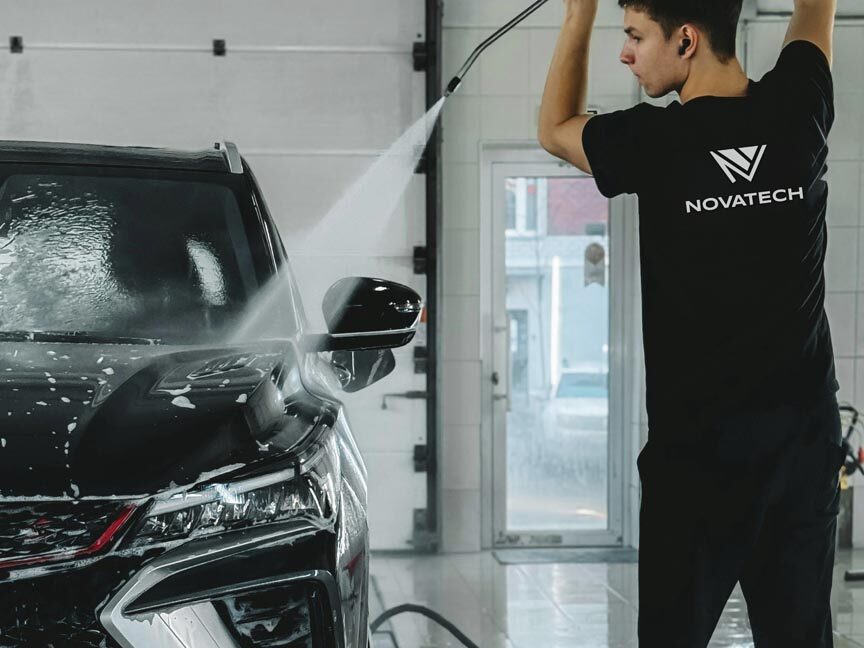
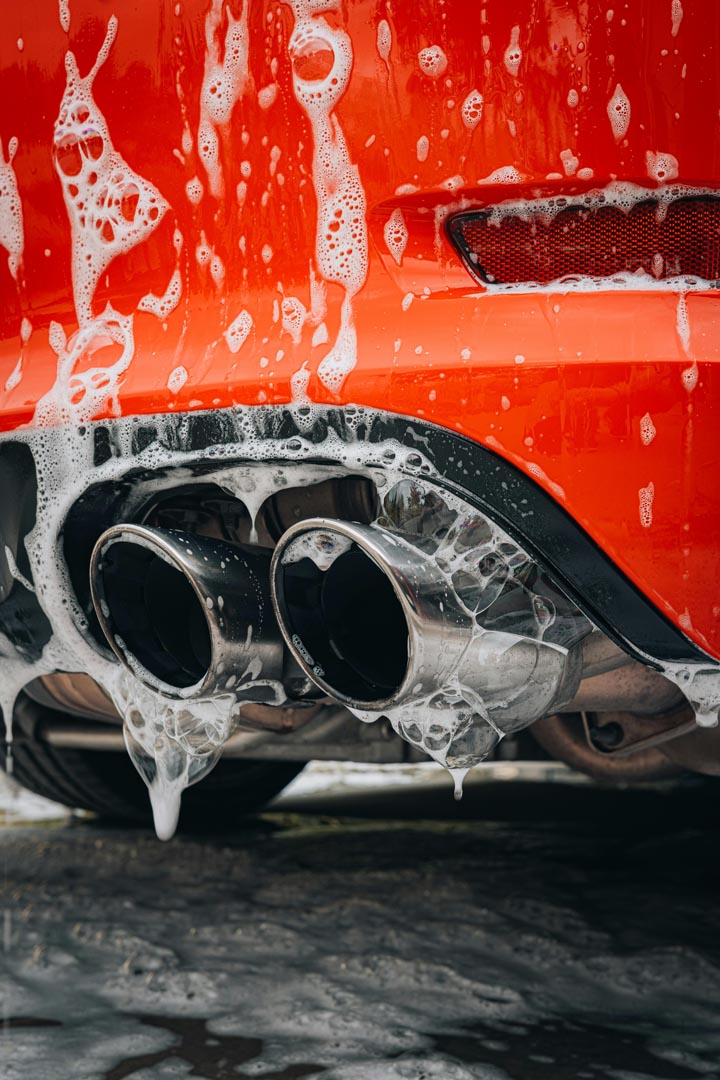
Without a snow foam pre-wash, loose dirt and grit remain on the surface. When you start scrubbing, that debris is dragged across the paint, creating fine scratches that build up over time.
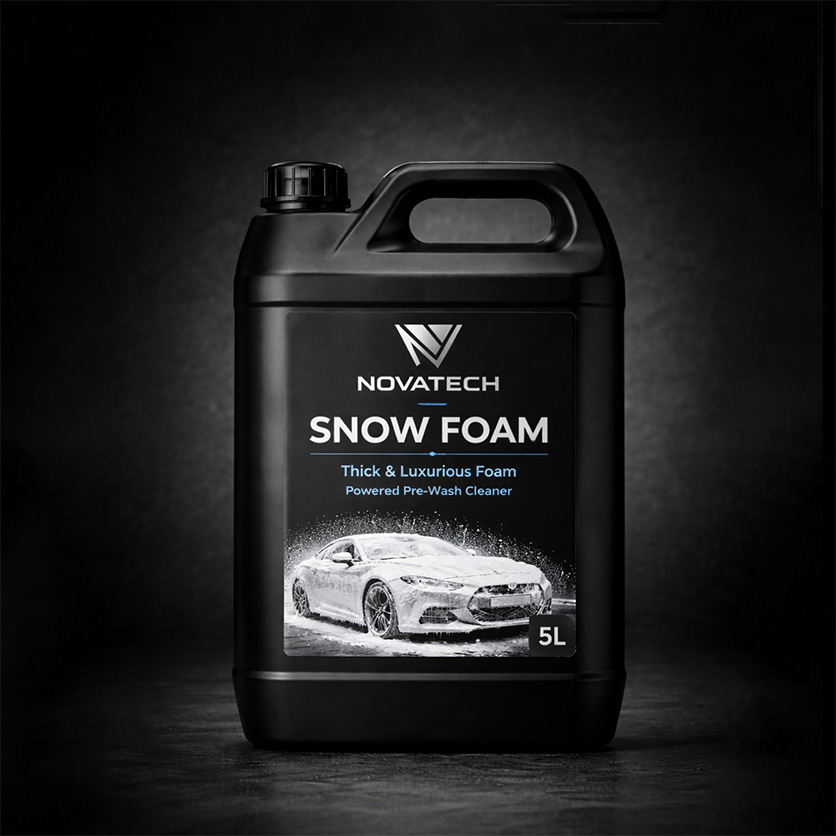
A snow foam pre-wash helps break this layer down safely before any physical contact is made.
Using a Sponge Instead of a Wash Mitt
Traditional sponges tend to trap dirt on the surface, increasing the chance of scratching paintwork.
A soft microfibre wash mitt is far safer, allowing dirt to be lifted away and rinsed out more effectively during washing.
Combined with the two bucket method, it significantly reduces swirl risk.
Using One Bucket for Everything
Using a single bucket means dirt removed from the car gets reintroduced straight back onto your wash tool.
This is one of the simplest ways paint gets damaged during washing.
Separating rinse and wash water keeps contamination under control and greatly improves safety.
Letting the Car Air Dry
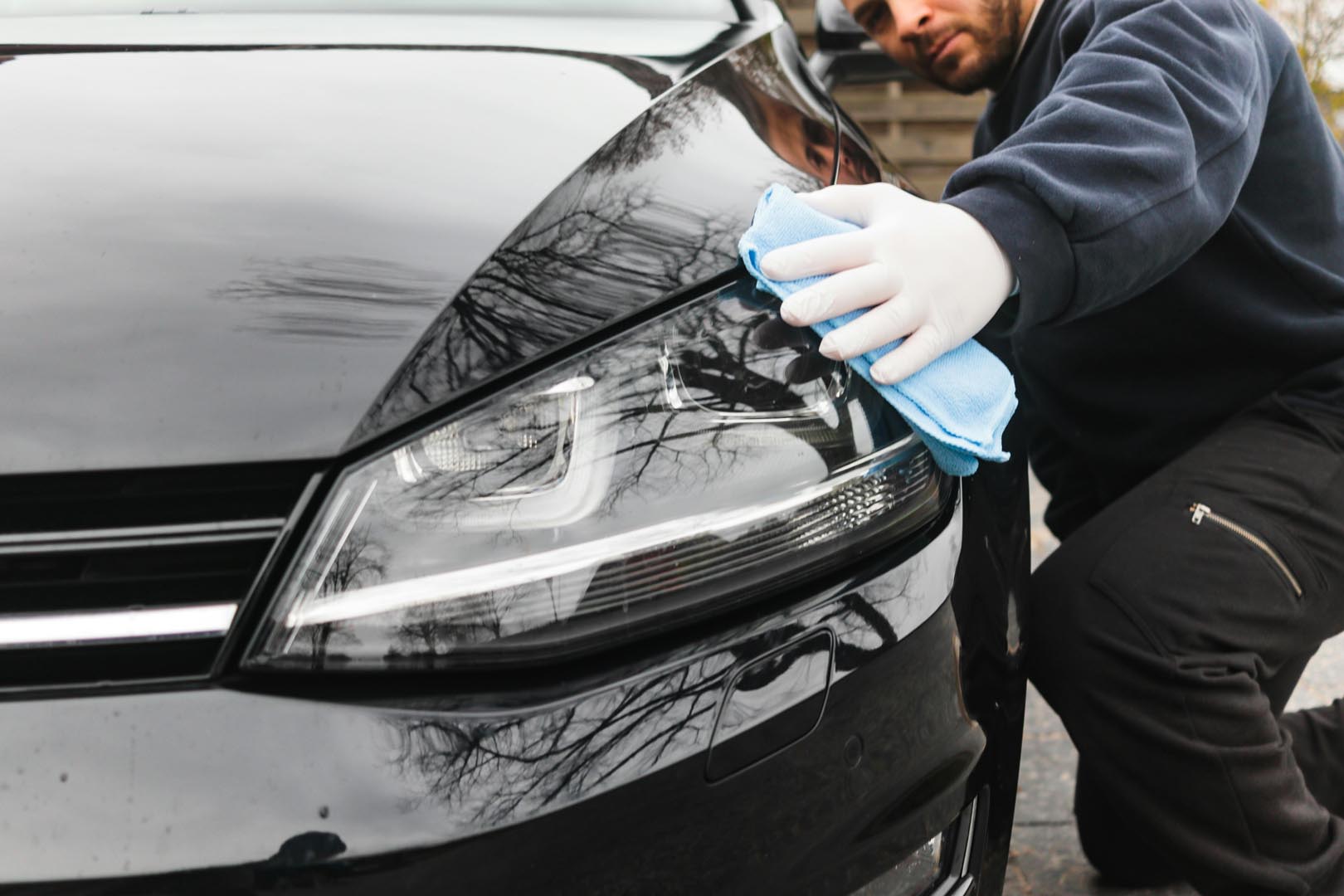
Allowing water to dry naturally often leaves behind mineral deposits and water spots, especially on sunny days or hard water areas. These marks can become difficult to remove and may require correction later.
Using dedicated microfibre drying towels ensures water is safely removed before it has a chance to dry on its own.
Rushing the Process
Speed is often the enemy of safe car care. Quick washes usually mean missed steps, poor technique and unnecessary contact with dirty surfaces. Taking a structured, methodical approach always produces better and safer results.
Good car care isn’t complicated – it is about patience and the right habits.